
Preparedness resource library
Emergency Preparedness Guides
Simple emergency preparedness guides to help you prepare for power outages, water disruptions, severe weather, home emergencies, and everyday disruptions. Start with the basics, then build your supplies and plans over time.
How to use these guides
Start Small, Then Build From There
You do not need to prepare for everything all at once. Pick one guide, take one or two useful steps, and keep building over time. Preparedness is easier when it becomes part of normal household planning instead of a last-minute scramble.
Start with the basics
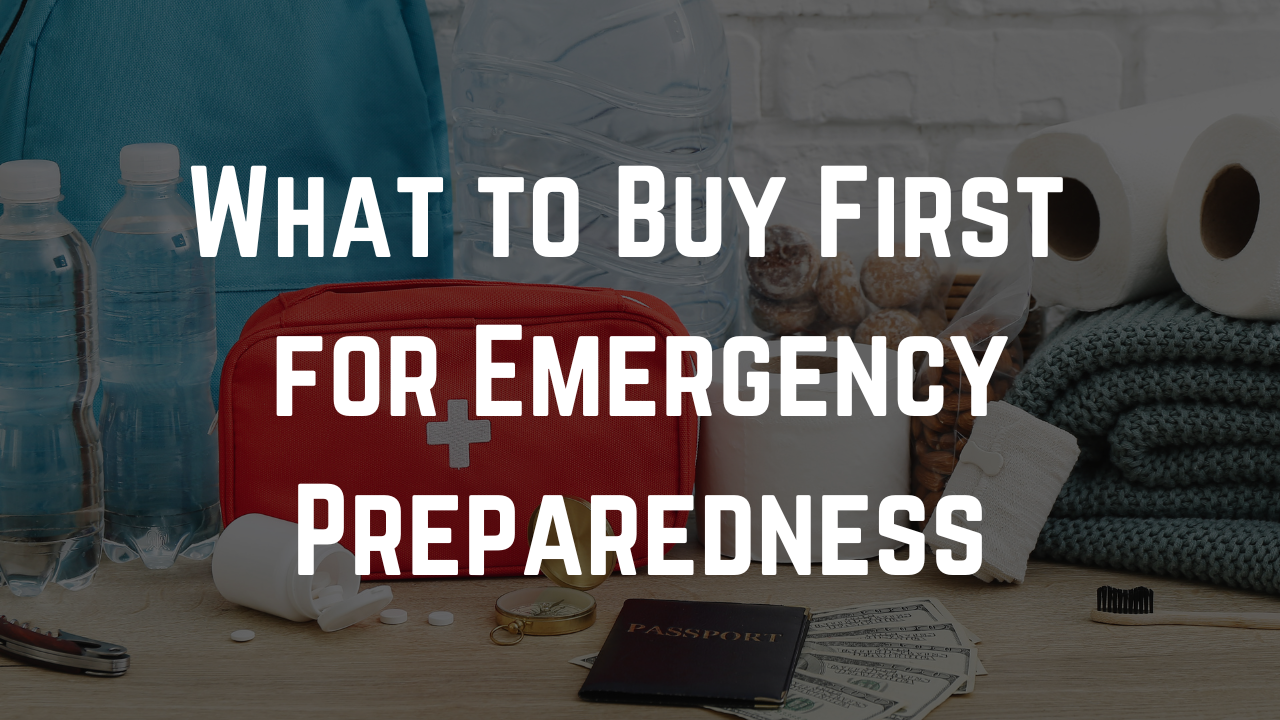
Begin with water, simple food, lighting, first aid, and a way to receive alerts. These are the supplies most households will use first during common disruptions.
Add backup plans
Once the basics are covered, add plans for power outages, communication, medications, pets, transportation, and how your household would stay connected.
Customize for your home
Adapt each guide to your space, budget, household size, local risks, and daily routines. The best preparedness plan is one you can actually maintain.
Tip: Choose one small action today, such as storing a few gallons of water, checking your flashlights, or adding emergency contacts to your phone.
Official sources
Trusted Preparedness Resources
Ready For Unsteady focuses on practical, beginner-friendly preparedness. For official emergency guidance, these resources are helpful places to check when building your supplies, household plan, and backup routines.
Ready.gov: Build an Emergency Kit
Official guidance on basic emergency supplies, including water, food, flashlights, radios, batteries, first aid items, and backup power.
Ready.gov: Make an Emergency Plan
Guidance for creating a household emergency plan, including communication, shelter, evacuation, and needs specific to your family.
Ready.gov: Emergency Alerts and Warnings
Information on receiving emergency alerts through phones, weather radios, local officials, FEMA tools, and public warning systems.
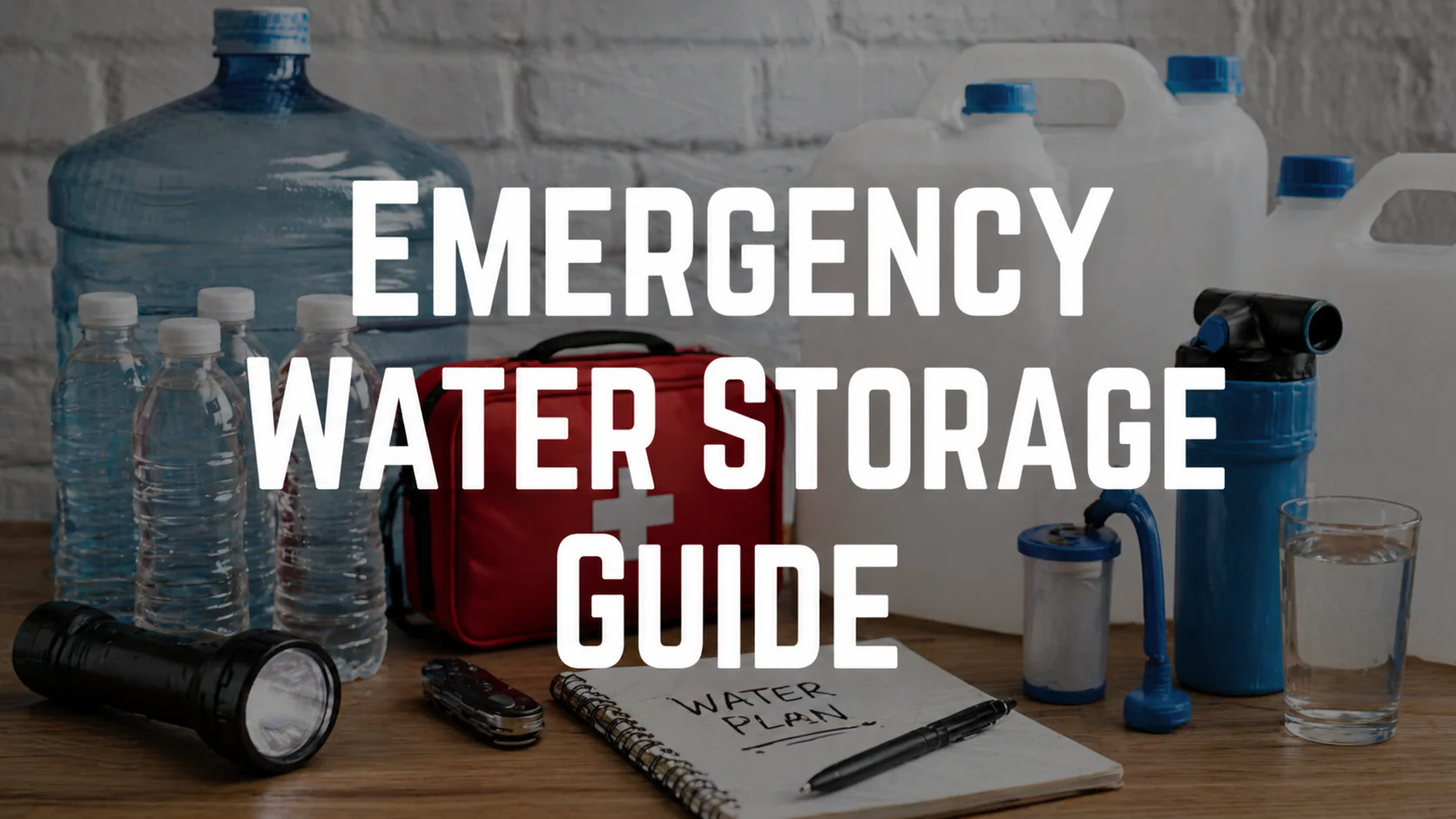
CDC: Emergency Water Supply
Public health guidance on how much emergency water to store, what containers to use, and how to maintain a safe water supply.
CDC: Keep Food Safe After an Emergency
Food safety guidance for power outages, refrigerator and freezer timing, flood contamination, and when food should be thrown away.
American Red Cross: Prepare for Emergencies
Preparedness guidance organized around making a plan, building a kit, staying informed, and preparing for different types of emergencies.
Tip: Use official resources for safety guidance, then use Ready For Unsteady guides to turn those recommendations into simple steps you can actually fit into your home, budget, and routine.
Frequently Asked Questions (FAQ)
What are emergency preparedness guides?
Emergency preparedness guides are practical resources that help you plan for common disruptions like power outages, severe weather, water issues, and other emergencies. They usually cover what to store, what to do first, and how to stay informed.
Where should beginners start with emergency preparedness?
Beginners should start with the basics: water, food, lighting, communication, important documents, medications, and a simple household plan. You do not need to prepare for everything at once. Small steps can make most disruptions easier to manage.
What should every household have for emergencies?
Most households should have stored water, shelf-stable food, flashlights or headlamps, backup batteries or power banks, basic first aid supplies, needed medications, sanitation supplies, and a way to receive emergency alerts.
How much water should I store for an emergency?
A common starting point is one gallon of water per person per day for several days. This includes water for drinking and basic sanitation. Households with pets, medical needs, or limited mobility may need extra.
Are emergency preparedness guides only for natural disasters?
No. Preparedness can help with many everyday disruptions, including power outages, winter storms, boil water notices, supply issues, local flooding, and unexpected situations that make it harder to access normal services.
How often should I review my emergency supplies?
Review your supplies at least twice a year. Check expiration dates, replace batteries, update medications, refresh water if needed, and make sure your plan still works for your household.
Do I need a full emergency kit before I am considered prepared?
No. Preparedness is built over time. Start with the items you are most likely to need during a short disruption, then add supplies and plans as your budget and space allow.