Ready For Unsteady Editorial Team
The Ready For Unsteady Editorial Team develops practical emergency preparedness guidance for everyday people. Content is informed by community preparedness training, public safety guidance, real-world experience, and reviewed for clarity and accuracy before publication.
If you are just getting started, emergency preparedness can feel expensive fast.
One article says to get a kit. Another says to build a go bag. Then suddenly you are looking at giant checklists and wondering whether you need to buy everything this weekend.
You do not.
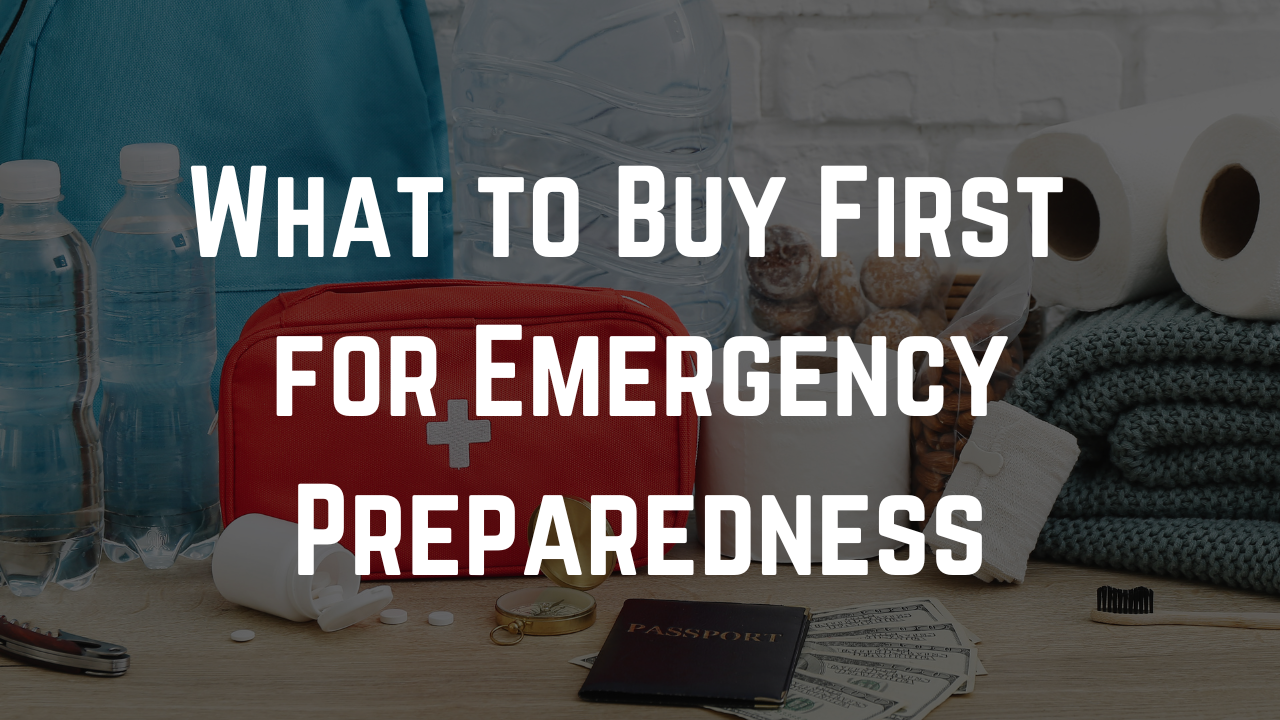
When you look across guidance from Ready.gov, the American Red Cross, UC Berkeley Office of Emergency Management, and REI’s emergency preparedness basics, the same core items show up again and again: water, food, light, communication, first aid, medications, and a few essential personal items.
So if you are wondering what to buy first, start with the basics that make a real difference in the first few days of a disruption.
1. Water comes first
If you buy nothing else first, start with water.
Most emergency guidance begins there for a reason. Water is one of the hardest things to go without, and even a short disruption can become much more stressful if you do not have enough on hand.
A practical place to start is enough water for a few days, then build from there. You do not need a perfect setup overnight. You just need a realistic starting point.
2. Next, buy food you will actually eat
Emergency food does not need to be dramatic or expensive.
Instead of jumping straight to specialty meals, start with shelf-stable foods your household already uses and likes. Canned soups, canned beans, pasta, rice, peanut butter, crackers, oatmeal, shelf-stable milk, and easy snacks are all reasonable first purchases.
This keeps things simpler and usually makes rotation easier too. In other words, the best first emergency food is often regular food with a longer shelf life.
3. Then, get safe lighting
A power outage is one of the most common situations where people suddenly realize they are not prepared.
That is why safe lighting should be one of your earliest purchases. Flashlights and battery-powered lanterns are a much better first choice than candles, especially if you have kids, pets, or limited space.
Try to keep at least one light source where you can find it quickly. A flashlight does not help much if it disappears into a random drawer.
4. Add a way to get information and charge your phone
After water, food, and lighting, think about communication.
A charged phone can help you get alerts, check on loved ones, access emergency information, and stay connected if conditions change. So a basic power bank is one of the most practical early purchases you can make.
A battery-powered or hand-crank radio can also be useful, especially during severe weather or longer outages.
5. Buy a basic first aid kit and medications
A first aid kit may not feel exciting, but it is one of the most useful things to have on hand.
Even more importantly, think about the medical needs in your household. Prescription medications, backup glasses, hearing aid batteries, mobility aids, and other health-related essentials often matter more than people realize.
So if someone in your home depends on something regularly, move that item higher on your priority list.
6. Do not forget hygiene and sanitation supplies
Preparedness is not just about surviving. It is also about staying functional, clean, and comfortable when daily routines are disrupted.
That means toilet paper, wipes, soap, trash bags, menstrual products, diapers if needed, and other personal care basics deserve a place in your early purchases too.
These items are easy to overlook at first. However, they can make a difficult situation much easier to manage.
7. Keep copies of important documents and some cash
This step is easy to put off, but it matters.
It helps to keep copies of important information together in one place, such as identification, insurance details, emergency contacts, and medical information. Some cash in small bills can also be useful if card systems are down or stores are only accepting cash.
You do not need to create a giant binder. A simple folder or pouch is enough to start.
8. After that, customize for your household
Once you have the basics, think about your real day-to-day needs.
For example, your household may need pet food, formula, comfort items for children, backup chargers, extra layers, or supplies for an older adult or someone with a disability. This is where emergency preparedness becomes personal.
The goal is to build something your household could actually use.
Home kit first, go bag second
One helpful distinction from UC Berkeley’s emergency planning guidance is the difference between a home kit and a go bag.
A home kit is meant to help you shelter in place. A go bag is meant to help you leave quickly if needed.
For most beginners, it makes sense to build a basic home supply first. Then, once your essentials are covered, you can put together a smaller go bag.
A simple order to buy in
If you want the shortest possible version, start here:
- Water
- Shelf-stable food
- Flashlights or battery-powered lanterns
- Phone charger and power bank
- First aid kit
- Prescription medications and medical items
- Hygiene and sanitation supplies
- Copies of important documents
- Cash
- Household-specific items for kids, pets, or other needs
Focus on getting the most important basics in place first.
Preparedness does not have to look extreme to be useful. A few practical purchases, made steadily over time, can make a stressful situation much easier to handle.
Frequently Asked Questions (FAQ)
What should I buy first for emergency preparedness?
Start with the basics that support your household right away: water, shelf-stable food, safe lighting, a phone charger or power bank, and a basic first aid kit. After that, add medications, hygiene supplies, and any household-specific essentials.
What are the most important emergency supplies for beginners?
For most beginners, the most important supplies are water, food, flashlights or battery-powered lanterns, a way to charge your phone, first aid supplies, and any medications your household needs regularly.
How much water should I store for emergencies?
A good starting point is enough water for a few days, then build from there. Many emergency preparedness guidelines recommend planning for one gallon of water per person per day.
What food should I buy first for an emergency kit?
Start with shelf-stable foods your household already eats. Good first options include canned soup, canned beans, peanut butter, rice, pasta, crackers, oatmeal, and easy snacks.
Do I need a go bag or a home emergency kit first?
For most people, it makes more sense to build a basic home emergency kit first. Once you have the essentials at home, you can put together a smaller go bag for evacuation or quick departures.
How can I start emergency preparedness on a budget?
Start small and buy the most important basics first. You do not need to build a full kit all at once. Even adding a few practical items during regular shopping trips can help you make steady progress.
What emergency supplies do people often forget?
People often remember food and flashlights but forget medications, hygiene supplies, important documents, cash, pet supplies, and chargers. These smaller items can make a big difference during a real disruption.
Do I need special emergency food to get started?
No. Most beginners can start with regular grocery store items that have a longer shelf life. You do not need expensive specialty food to build a practical emergency supply.